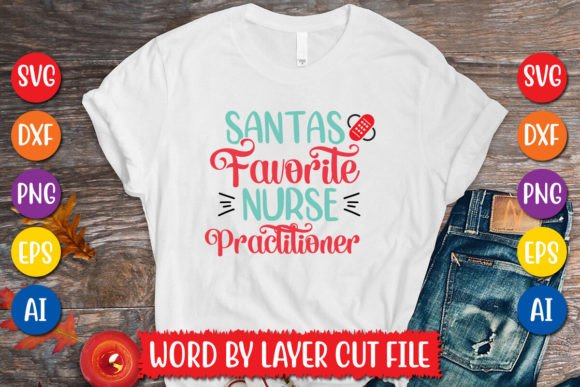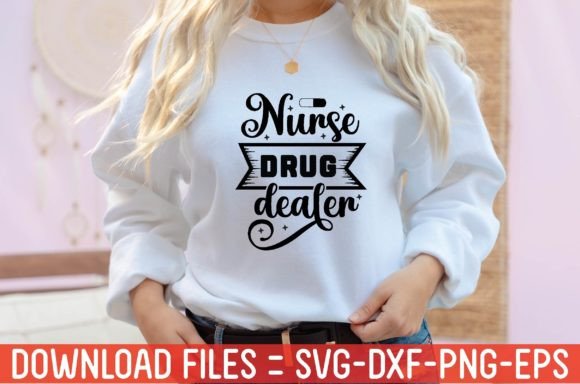
Nurse Drug Dealer
As an embroidery designer and product reviewer, I often find myself evaluating digital files with a critical eye—especially when they’re meant for real-world use. Nurse Drug Dealer is one such design that caught my attention not just for its bold visual appeal, but for how it might translate into actual embroidery projects. Let’s break down what this design offers and where it could shine—or fall short.
First Impressions: A Bold Statement
The Nurse Drug Dealer design immediately conveys a strong, edgy vibe. It’s not subtle, but that’s part of its charm. The layout is clean, with a central image that commands attention. The shape and theme suggest something intended for a statement piece—perhaps a custom apparel item or a unique patch. The detail level is decent, with enough definition to work well in machine embroidery, though it’s not overly complex. This makes it ideal for designs that need to be both recognizable and stitchable without too much technical overhead.
The visual personality leans toward the rebellious, which could make it a hit with certain audiences. But that same boldness also means it needs careful handling when it comes to fabric type, color contrast, and placement.
Real-Life Embroidery Use Cases
When considering Nurse Drug Dealer for real projects, the first thing that comes to mind is a custom tote bag design. It would stand out on a canvas or cotton bag, especially if paired with a contrasting thread color. For sweatshirts or t-shirts, the design could work well as a front graphic, provided the hoop size allows for it. However, if the design is too large for your machine’s hoop, you may need to split it into sections—a consideration that can add time and complexity to the process.
For baby items, like onesies or burp cloths, the design might be a bit intense. That said, if the parent is looking for something unique, it could still work with a softer color palette and careful placement. In patches or aprons, Nurse Drug Dealer could serve as a standout element, especially for a themed kitchen or craft space.
It also has potential for holiday gifts or personalized products. Imagine a Christmas sweater or a festive pillow cover featuring this design. The key is to balance the boldness with the right fabric and thread choices.
Where Nurse Drug Dealer Needs Careful Handling
There are a few areas where Nurse Drug Dealer might not perform as well. Small hoop sizes can be a challenge, as the design may require multiple passes or partial stitching. If you're working with textured fabrics, like denim or corduroy, the design’s details could get lost or distorted. Thin or stretchy fabrics might also cause issues with stitch density and stability.
On dark fabrics, the design’s clarity could be compromised unless you use a high-contrast thread color. Similarly, curved surfaces like caps or hats might require some adjustment to ensure the design sits correctly and doesn’t distort during stitching.
Details like tiny lettering or intricate corners could be problematic if the stitch density is too high or the stabilizer isn’t sufficient. It’s important to test the design on scrap fabric before committing to a final project.
Impact on Visual Appeal and Customer Perception
When it comes to visual appeal, Nurse Drug Dealer has a strong presence. It’s the kind of design that people notice, which can be great for handmade products or boutique merchandise. However, its boldness might not fit every brand or customer preference. Some buyers might find it too provocative, so it’s important to consider your target audience.
In terms of stitching clarity, the design should hold up well as long as the file is properly optimized. For commercial embroidery projects, this could translate into a higher perceived value, especially if the design is used in a professional setting. But for small shop products or Etsy listings, the design’s uniqueness could help it stand out from the crowd.
Customer trust and engagement often depend on how well a design translates into a finished product. If Nurse Drug Dealer is poorly executed or doesn’t match expectations, it could lead to dissatisfaction. That’s why testing and quality control are essential steps in the process.
Practical Designer Notes for Nurse Drug Dealer
Before using Nurse Drug Dealer in any project, I recommend testing it on scrap fabric. This will give you a clear idea of how the stitches look and whether the design works with your chosen thread colors. Pay close attention to the stitch density—too much could cause puckering, while too little might make the design look sparse.
Check the hoop size required for the design. If it’s larger than your machine can handle, you may need to adjust or split the design. Also, inspect small details like corners and lettering to ensure they’re sharp and consistent.
Test the design in black and white mockups to see how it looks without color. Compare it against both light and dark fabric backgrounds to determine the best thread color options. Using the right stabilizer is crucial, especially for delicate or stretchy fabrics.
If you’re planning to sell finished items or digital products, confirm the licensing terms. While the product description mentions SVG, DXF, and PNG formats, it doesn’t specify whether the design is for personal or commercial use. Always verify this before proceeding.
Conclusion: A Design with Potential
Nurse Drug Dealer is a design that carries a lot of visual weight. It’s not for every project, but when used correctly, it can make a strong impression. Whether you’re an Etsy seller, a craft business owner, or a hobbyist, this design could be a valuable addition to your collection—provided you take the time to understand its strengths and limitations.
Ultimately, the success of Nurse Drug Dealer depends on how well it’s adapted to the specific project at hand. With the right approach, it can become a standout piece that resonates with the right audience.